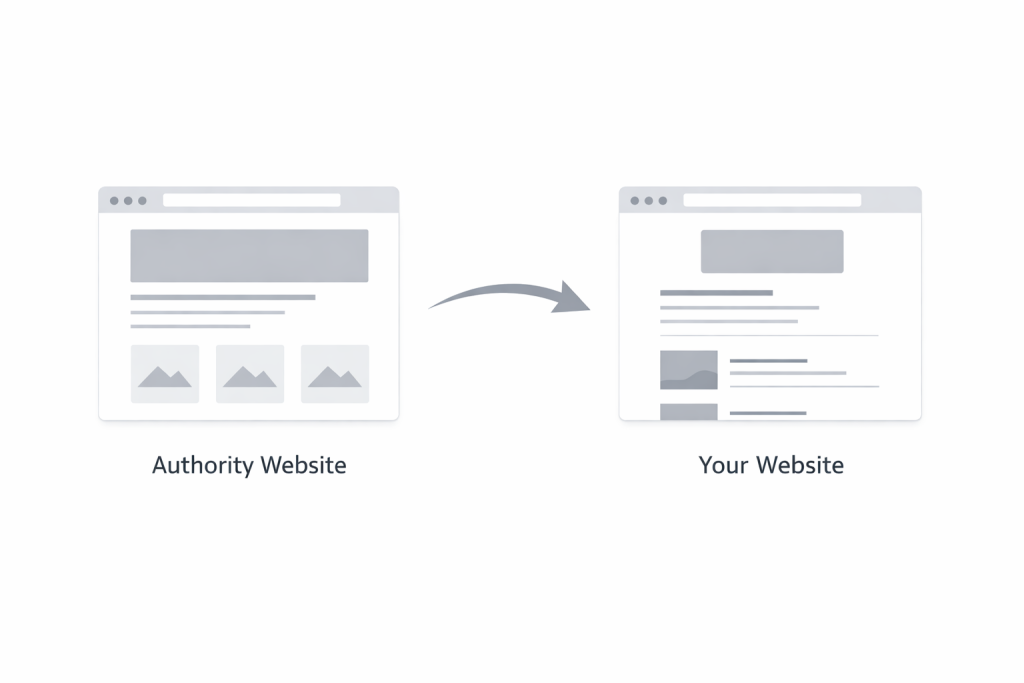
A backlink is a hyperlink from one web resource (the referrer) to another (the referent). In practice, backlinks work like citations in academic papers. When one site links to another, it’s signaling credibility, usefulness, and relevance.
Search engines—especially Google—use backlinks as one of the core signals to decide which pages deserve visibility.
What Are Backlinks?
Backlinks (also called inbound links, incoming links, inlinks, or citations) are links from other websites pointing to your site.
In SEO, they function as votes of confidence. When reputable websites link to your content, they’re effectively saying:
“This page is worth referencing.”
Backlinks were foundational to Google’s original PageRank system, which evaluates links as weighted votes. Links from authoritative and topically relevant pages carry more influence than links from weak or unrelated sites.
Despite thousands of algorithm updates, backlinks remain one of Google’s top ranking factors.
Why Backlinks Matter
Backlinks impact performance in several ways:
- Higher rankings
Pages that rank #1 typically have significantly more high-quality backlinks than lower-ranking results. - Trust and authority
Links help search engines estimate how credible and authoritative a page or brand is. - Referral traffic
Backlinks don’t just help rankings—they also send real users to your site. - Brand discovery
Being cited by trusted publishers increases awareness and perceived legitimacy.
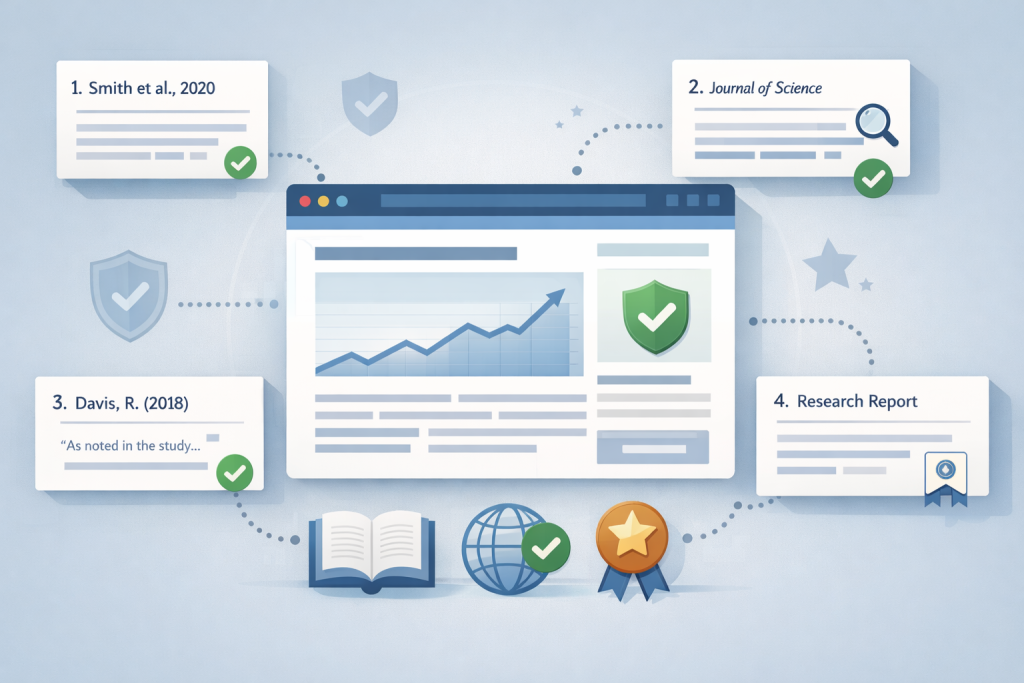
As search evolves, backlinks also play a role in AI-driven search and discovery, since most AI systems still rely on traditional search infrastructure and authority signals to determine which sources to reference.
What Determines the Value of a Backlink?
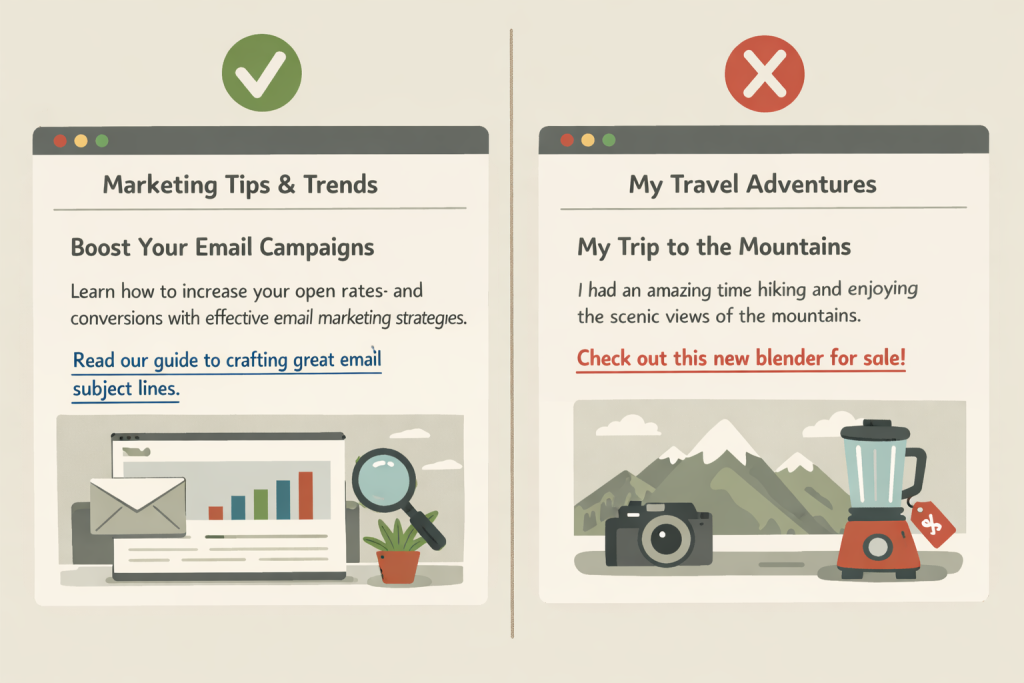
Not all backlinks are equal. Quality consistently outweighs quantity.
High-value backlinks are shaped by these factors:
1. Authority of the Linking Site
Links from trusted, well-established websites pass more ranking value than links from low-quality domains.
2. Topical Relevance
Relevance matters as much as authority. A link from a site in the same subject area sends a stronger trust signal.
A popular shoe blog linking to a pencil sharpener site may look impressive on paper—but it carries little real SEO value.
3. Anchor Text
The clickable text helps search engines understand context.
Best practice: natural, descriptive anchors, not keyword-stuffed repetition.
4. Editorial Intent
Editorial links—earned because your content genuinely adds value—act as endorsements. Manipulated or forced links do not.
5. Follow Status
- Dofollow links pass ranking signals.
- Nofollow / sponsored / UGC links are treated as weaker endorsements (though Google may still use them as hints).
6. Link Placement & Click Likelihood
Links embedded naturally within main content tend to be more valuable than links buried in footers, sidebars, or long lists.
A Note on Spam and Google Penalties
As backlinks became more valuable, manipulation followed.
Tactics like:
- Paid follow links
- Private Blog Networks (PBNs)
- Automated directory submissions
- Forum and comment spam
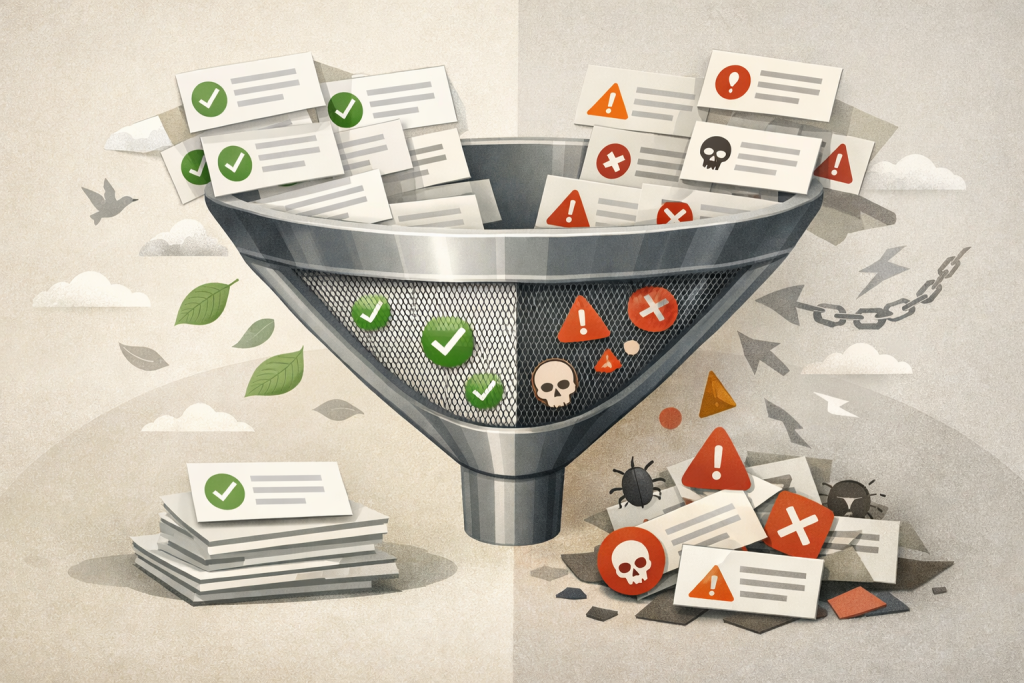
…led Google to introduce updates such as Google Penguin, which devalues or ignores unnatural link patterns.
Today, spammy links are more likely to be ignored or actively harmful than helpful.
What Types of Backlinks Are Most Valuable?
The strongest backlinks tend to be:
- Editorial links from trusted publishers
- Contextual links within relevant content
- Links from unique referring domains
- Naturally earned citations (not exchanged or purchased)
One strong, relevant backlink can outperform hundreds of weak ones.
Best Practices for Building Backlinks (That Actually Work)
Create Link-Worthy Assets
Publish content people want to reference:
- In-depth guides
- Original research
- Tools or calculators
- Visual assets and data
Broken Link Building
Find broken (404) links on relevant pages and suggest your content as a replacement. Publishers often appreciate the fix.
Guest Posting (Done Right)
Contribute high-quality content to reputable sites in your niche—not random or unrelated blogs.
Digital PR & Journalist Outreach
Provide expert insights, quotes, or data to journalists and creators who need credible sources.
Link Reclamation
Turn unlinked brand mentions into backlinks with polite outreach.
Competitor Backlink Analysis
Study where competitors earn links and replicate viable opportunities.
Leverage Real Relationships
Partners, vendors, associations, testimonials, and case studies often lead to natural editorial links.
Backlinks, SEO, and AI Visibility
Backlinks remain a core authority signal—not just for rankings, but for trust.
Search engines and AI systems both need a way to answer one key question:
“Which sources deserve visibility?”
Relevant, editorial backlinks help answer that question at scale.
Core Takeaway
Backlinks are still one of the most powerful forces in SEO—but only when they’re earned.
Sustainable results come from:
- Relevance over volume
- Authority over automation
- Editorial trust over manipulation